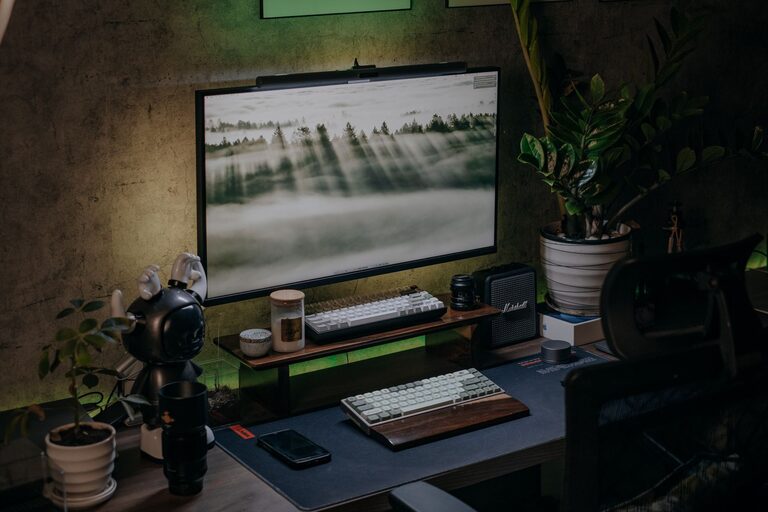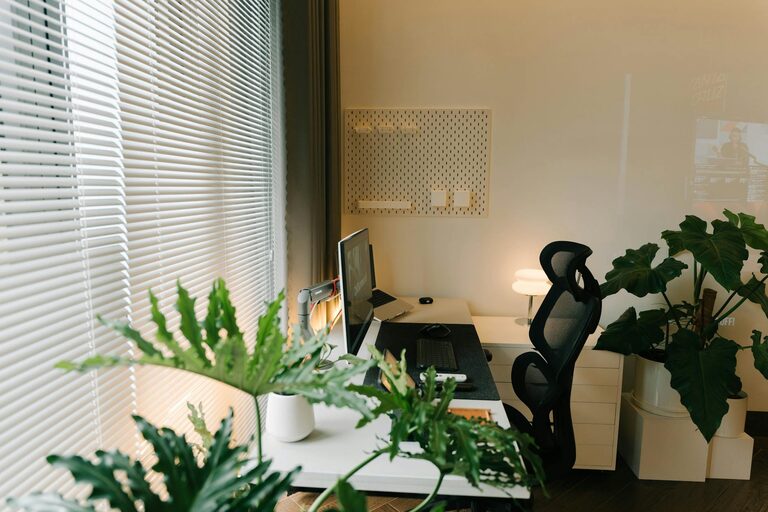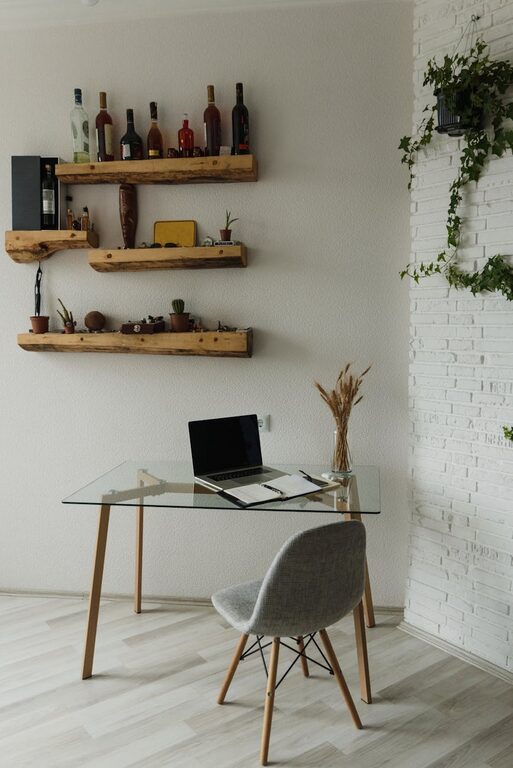


Creating a home office that is both cozy and functional can significantly enhance your productivity and overall well-being. Whether you’re working remotely, freelancing, or simply need a dedicated space for managing personal tasks, designing the right environment makes all the difference. Here, we’ll explore key tips to help you build a home office that feels inviting while meeting your work needs.
1. Choose the Right Location
The foundation of a great home office is its location. Consider placing your workspace in a quiet corner away from high-traffic areas to minimize distractions. If possible, choose a spot with natural light, as sunlight boosts mood and energy.
– Avoid noisy areas near kitchens or living rooms.
– Near a window is ideal, but prepare to use blinds or curtains to reduce glare on screens.
– If space is limited, a nook or a section of a larger room can work well with proper planning.
2. Invest in Comfortable and Supportive Furniture
Comfort is crucial when spending long hours at your desk. Investing in ergonomic furniture helps prevent physical strain and supports productivity.
– Desk: Pick a desk with enough surface area to hold your computer and accessories. Adjustable desks that allow you to switch between sitting and standing are excellent options.
– Chair: Choose an adjustable chair with good lumbar support. Test it out to find one that suits your posture.
– Storage: Use shelves, filing cabinets, or drawers to keep your workspace organized and clutter-free.
3. Optimize Lighting
Proper lighting reduces eye strain and creates a pleasant atmosphere.
– Combine natural and artificial lighting. Use a desk lamp with adjustable brightness for detailed tasks.
– Avoid harsh overhead lights; soft, warm bulbs help create a relaxing environment.
– Position your desk to make the most of natural light without causing screen glare.
4. Personalize Your Space
Adding personal touches makes your home office feel welcoming and inspiring.
– Incorporate artwork, photos, or motivational quotes.
– Use colors that you find calming or energizing. Soft blues, greens, or warm neutrals work well.
– Add plants to improve air quality and bring a bit of nature indoors. Even small succulents on your desk can brighten the space.
5. Organize Efficiently
A cluttered workspace can hinder concentration. Develop an organization system that suits your workflow.
– Use cable organizers to keep cords tidy.
– Keep frequently used items within arm’s reach.
– Digitize documents where possible to reduce paper clutter.
– Label storage bins and file folders for easy access.
6. Pay Attention to Acoustics
Noise can be disruptive, especially in a busy household.
– Use rugs, curtains, and soft furnishings to absorb sound.
– Consider noise-canceling headphones if ambient noise is unavoidable.
– White noise machines or gentle background music can also help maintain focus.
7. Create Zones for Different Tasks
If your workspace allows, designate areas for different types of work.
– A main desk for computer tasks.
– A small table or corner for reading or brainstorming.
– A storage zone for supplies and papers.
This helps keep the area organized and mentally separates tasks, improving productivity.
8. Maintain Flexibility and Comfort
Your needs may change over time, so designing a flexible space is beneficial.
– Choose modular furniture that can be rearranged as needed.
– Keep a cozy throw blanket or cushion handy for comfort.
– Incorporate tools or decor items that inspire creativity and motivation.
Final Thoughts
A cozy and functional home office is within reach with thoughtful planning and attention to detail. By focusing on location, comfort, lighting, and personalization, you can create a space that supports your work and wellbeing. Take time to experiment and adjust your setup until it suits you perfectly. After all, a pleasant workspace is a powerful tool for success and satisfaction.